

Untangling SPL Tokens, Validator Choices, and Keeping Tabs on Your Solana Portfolio
So I was thinking about how messy things can get once you dive into the Solana ecosystem. Seriously, managing SPL tokens feels like juggling flaming chainsaws sometimes. You start with this shiny idea of staking or DeFi, but then—bam!—validator selection and portfolio tracking hit you like a ton of bricks. Wow! It’s a lot to take in, especially when your wallet’s at stake.
Initially, I thought using any wallet that supports Solana would suffice. But something felt off about that approach. The ecosystem’s moving so fast that your choice of wallet and validator can make a huge difference in security and returns. Actually, wait—let me rephrase that: it’s not just about picking any wallet; it’s about picking one that understands the nuances of SPL tokens and staking mechanics without making your head spin.
And here’s the kicker—many users overlook the importance of seamless portfolio tracking. I mean, you can’t manage what you can’t see, right? With so many tokens flying around and validators popping up, it’s easy to lose track, especially if you’re dabbling in yield farming or liquid staking.
Okay, so check this out—when I first started, I relied heavily on browser wallets that promised easy access. But frankly, the experience was clunky. Some wallets didn’t support all SPL tokens cleanly, while others had limited validator options, which felt like putting all eggs in one basket. On one hand, simplicity is great; though actually, staking on a validator with questionable uptime or reputation can cost you dearly.
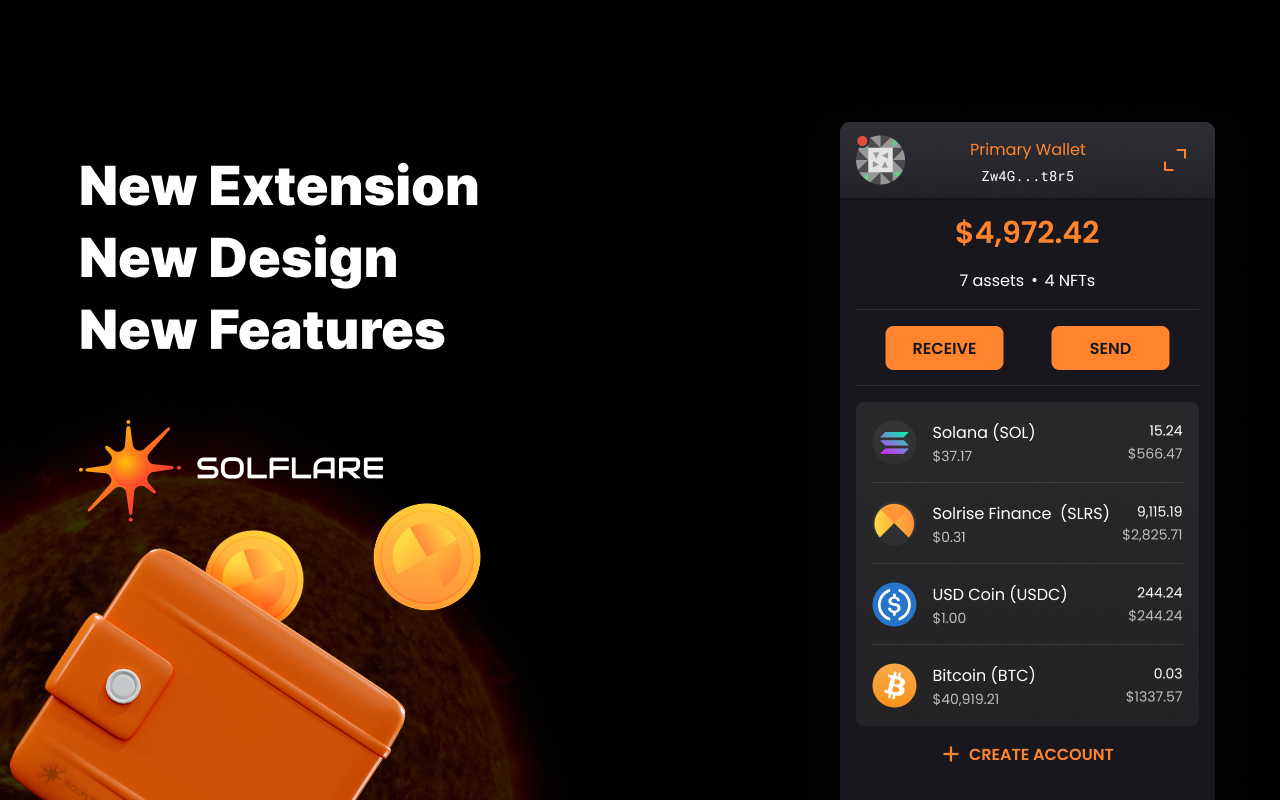
That’s why I found the solflare wallet extension pretty compelling. It’s like the Swiss Army knife for Solana users—robust yet user-friendly, with solid support for SPL tokens and a straightforward validator selection process. Plus, the portfolio tracking is surprisingly intuitive, which is a breath of fresh air compared to some other options.
Validator selection, by the way, deserves a whole conversation on its own. You might think it’s just about picking the highest APR or the biggest stake pool. Nope. My gut says you also need to consider validator reliability, community reputation, and even geographic distribution. Really? Yes. Because validators with sketchy uptime or centralization risks can jeopardize your staking rewards—or worse, your security.
Here’s what bugs me about some staking interfaces—they show you numbers but rarely explain the trade-offs. You see a validator with a 7% yield, but there’s no mention of their commission fees or downtime history. Somethin’ feels off when the shiny numbers hide the messy details underneath.
Anyway, diving deeper, SPL tokens themselves aren’t just simple assets—they’re the backbone of the Solana DeFi universe. Each token represents a unique contract, which means wallets need to handle them with care to avoid issues like double-spending or phantom transactions. That’s why wallet security is very very important here. You don’t wanna lose tokens because your wallet couldn’t parse a token’s metadata correctly.
And then there’s portfolio tracking. I’m not talking about just seeing your balance. I’m talking about real-time updates, integrated staking views, and notifications when validators misbehave or your rewards are ready to claim. It’s kind of wild that not all wallets offer this, but the solflare wallet extension nails it with minimal fuss.
The funny thing is, technology like this is evolving so quickly that what worked last month might feel outdated today. Validators upgrade their software, new SPL tokens launch, and DeFi protocols update their contracts. You gotta stay nimble. (Oh, and by the way, that’s why I keep checking my wallet extension regularly—because ignoring it is like leaving your front door wide open.)
Picking Validators: More Than Just APR
Let’s get real. Choosing a validator isn’t just about chasing the highest APR. My instinct said to look beyond the numbers early on. For example, validator uptime stats—do they really matter? Absolutely. If your validator goes offline frequently, your rewards tank, and you might even lose stake due to penalties. It’s kinda like trusting your car mechanic: you want someone reliable, not just cheap.
Then there’s commission fees. Sometimes a validator with slightly lower APR but a much lower commission ends up netting you more profit. It’s a subtle dance. I ran some numbers recently and found that a validator with 6.5% APR and 3% commission outperformed one with 7.5% APR but 10% commission. Crazy, huh?
Also, decentralization matters. I’m not 100% sure how much geographic distribution really protects against systemic risks, but it’s a factor worth considering. Validators concentrated in one region can be vulnerable to local outages or regulations. So spreading your stake helps spread risk. This part bugs me because it’s not always obvious how to check for it.
And here’s a nugget: some validators actively engage with the community or support key projects on Solana. That social proof can be a sign of long-term viability, even if their APR isn’t top-tier. It’s the difference between a random validator and one you’d trust with your digital assets.
Tracking Your SPL Token Portfolio Like a Pro
Okay, so you’ve picked your wallet and validators. Now how do you keep tabs on all those SPL tokens without losing your mind? Manual tracking? Forget about it. It’s tedious and error-prone. That’s why I lean heavily on wallets with built-in portfolio tracking. The solflare wallet extension has been a lifesaver here, offering a clean dashboard to view balances, staking status, and transaction history all in one place.
But there’s more. Notifications and alerts can be game-changers. Imagine knowing immediately when a validator you’re staked on goes down or when a new token you hold launches a governance vote. That’s next level. I’m still figuring out whether I want all these alerts, though. Sometimes it’s information overload.
And then, there’s the matter of integrations. Some portfolio trackers pull in data from multiple wallets or even exchanges, giving you a holistic view. But it’s tricky—privacy concerns pop up, and syncing delays can mess with real-time accuracy. I’m biased, but I trust local wallet extensions more than third-party aggregators.
Here’s the thing—your portfolio isn’t static. Tokens get swapped, staked, or wrapped. A good wallet extension handles these complexities smoothly without making you jump through hoops. That seamless experience is what keeps me coming back to Solflare.
Oh, and one last thought—while tools are great, don’t forget to do your own research on tokens and validators. The ecosystem’s still young, and risks are real. Sometimes, relying on gut instincts and community feedback trumps shiny dashboards.
So, if you’re diving into Solana’s DeFi waters, balancing SPL token management, validator choices, and portfolio tracking is an ongoing journey. It’s not perfect, but tools like the solflare wallet extension get you closer to that sweet spot of security, convenience, and control. Just don’t expect to set it and forget it—crypto never sleeps, and neither should your vigilance.